
Exploring Body Weight Science
Discover evidence-based information about nutrition, dietary patterns, and lifestyle factors. Educational content only. No promises of outcomes.
Learn MoreWelcome to IslandWeightFlow
A resource dedicated to explaining the science of body weight through the lens of nutrition and lifestyle. Our mission is to provide clear, evidence-based information.
What We Offer
IslandWeightFlow explores the fundamental principles of how the body manages energy, processes different nutrients, and responds to lifestyle factors. We present scientific concepts in an accessible way, helping you understand the mechanisms rather than promoting specific outcomes.
Whether you're interested in how nutrition labels work, the role of different macronutrients, or the relationship between activity and energy expenditure, our articles provide educational context.
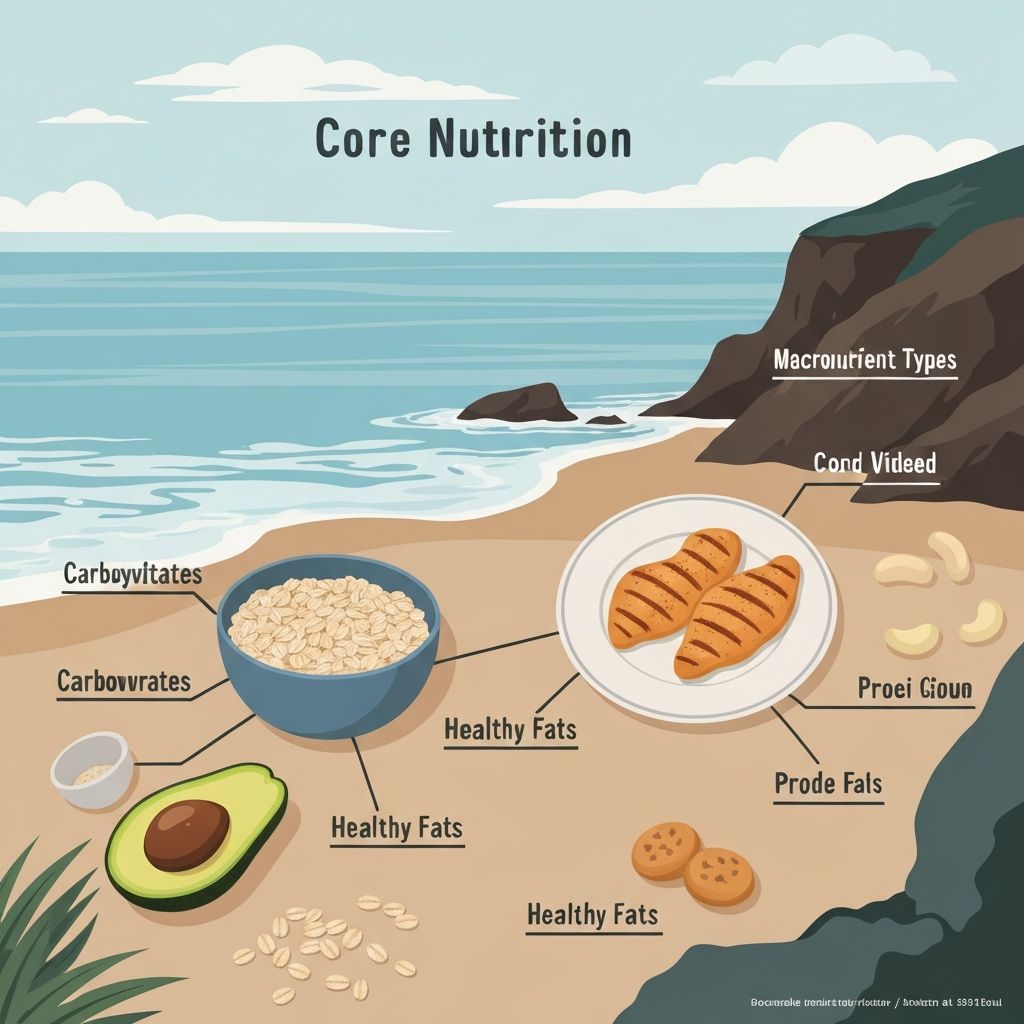
Core Principles of Nutrition
Understanding the fundamentals of how your body processes food and energy
Energy Balance
The foundation of body weight science centres on energy balance—the relationship between calories consumed and energy expenditure through daily activities, metabolism, and physical movement.
ExploreMacronutrient Roles
Carbohydrates, proteins, and fats each play distinct roles in your body's functioning. Understanding their purposes helps clarify how different foods affect energy, satiety, and general health.
ExploreFibre and Digestion
Dietary fibre influences digestive processes, nutrient absorption, and feelings of fullness. Different types of fibre come from various plant sources and affect the body in distinct ways.
ExploreEnergy Balance Explained
Energy balance is a central concept in understanding body weight. It describes the relationship between energy intake (food and drink consumed) and energy expenditure (metabolic rate, physical activity, and thermogenesis).
When intake matches expenditure, body composition remains relatively stable. Various factors influence both sides of this equation, including age, gender, physical activity patterns, food composition, and individual metabolic differences.
Read the Full Article

Understanding Food Labels in the UK
British food packaging displays mandatory nutrition information that helps consumers understand the content of their food. Learning to read these labels is a practical skill for making informed choices about dietary intake.
UK labels typically include the traffic light system for key nutrients, ingredient lists, and nutritional panels showing energy (in kcal), fat, saturated fat, carbohydrates, sugars, protein, and salt per serving.
Learn MoreThe Role of Fibre in Daily Eating
Dietary fibre is a key component of plant-based foods with significant effects on digestion and health
What Is Fibre?
Dietary fibre refers to indigestible carbohydrates found in plant foods. It passes through the digestive system largely unchanged, playing an important role in bowel health and metabolic processes.
Common Sources
Whole grains, legumes, vegetables, fruits, nuts, and seeds are primary dietary fibre sources. Different types of fibre—soluble and insoluble—have distinct effects on digestion and nutrient absorption.
Discover the Science
Hydration Fundamentals
Understanding water's role in body function and daily well-being
Water and Metabolism
Water is essential for virtually every metabolic process. It aids nutrient transport, temperature regulation, and waste elimination. Adequate hydration supports optimal physical and cognitive function.
Hydration and Fullness
Drinking water before or with meals can influence perception of fullness. The volume of food and liquid consumed affects satiety signals, making hydration a relevant factor in daily eating patterns.
Daily Needs
Individual hydration needs vary based on activity level, climate, and body composition. General recommendations exist, but personal observation of thirst and urine colour are practical indicators of adequate hydration.
Movement and Recovery Context
Physical activity and rest patterns are integral to understanding how the body uses energy. Movement increases energy expenditure, while recovery processes—including sleep—support metabolic function.
Different types of activity use different amounts of energy. Cardiovascular exercise, strength training, and everyday movement all contribute to total daily energy expenditure, influencing the overall energy balance equation.
Explore Further
Latest Research Highlights
Neutral summaries of recent studies on dietary patterns and weight science in the UK and EU
Current Study Trends
Recent research continues to explore the complex relationships between diet quality, nutrient composition, eating frequency, and metabolic health. UK and EU studies provide insights into population-level dietary patterns and their associations with various health outcomes.
Scientific evidence supports the diversity of effective nutritional approaches, recognising that individual responses to dietary changes vary significantly based on genetics, lifestyle, and personal circumstances.
Read Our Blog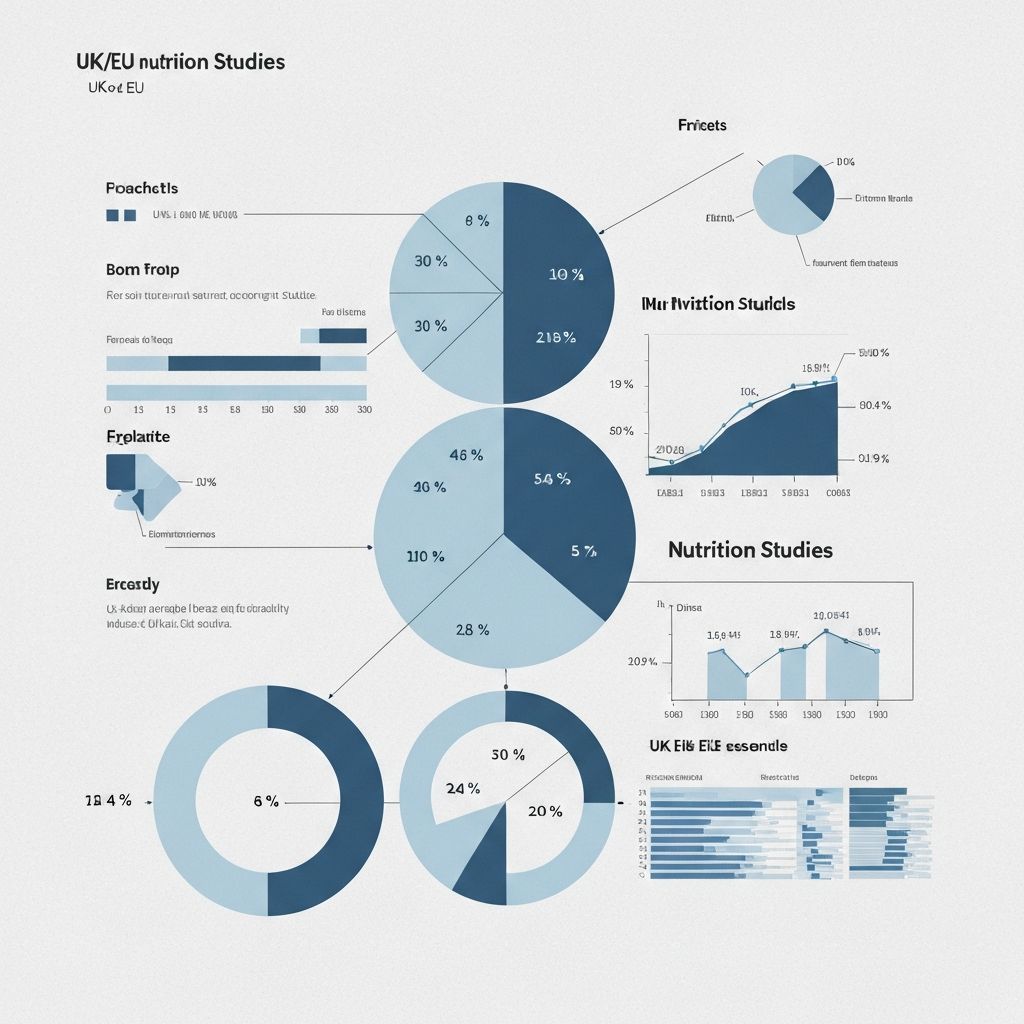
Featured Articles
Explore our collection of educational content on nutrition and body weight science
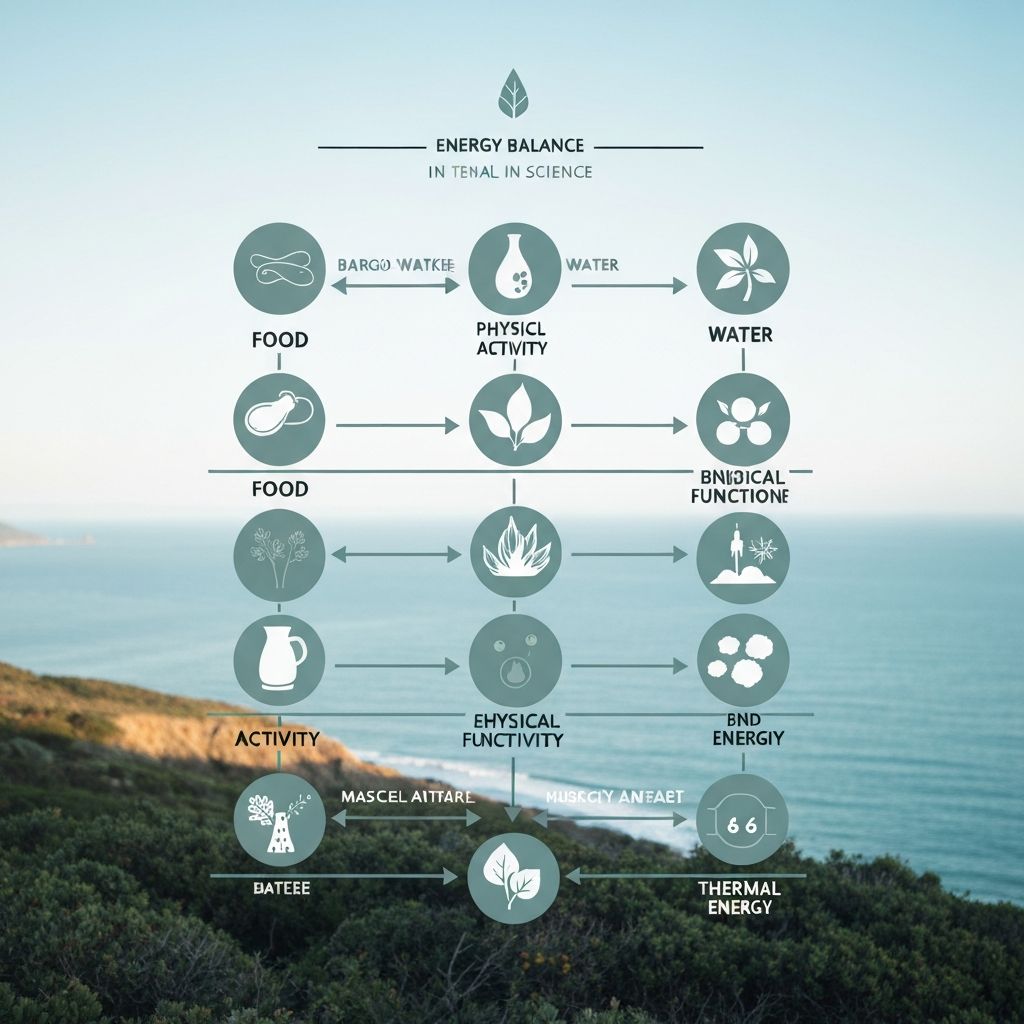
Demystifying Energy Balance
The Basic Science of how your body manages energy intake and expenditure, the factors that influence both sides of the equation.
Read Article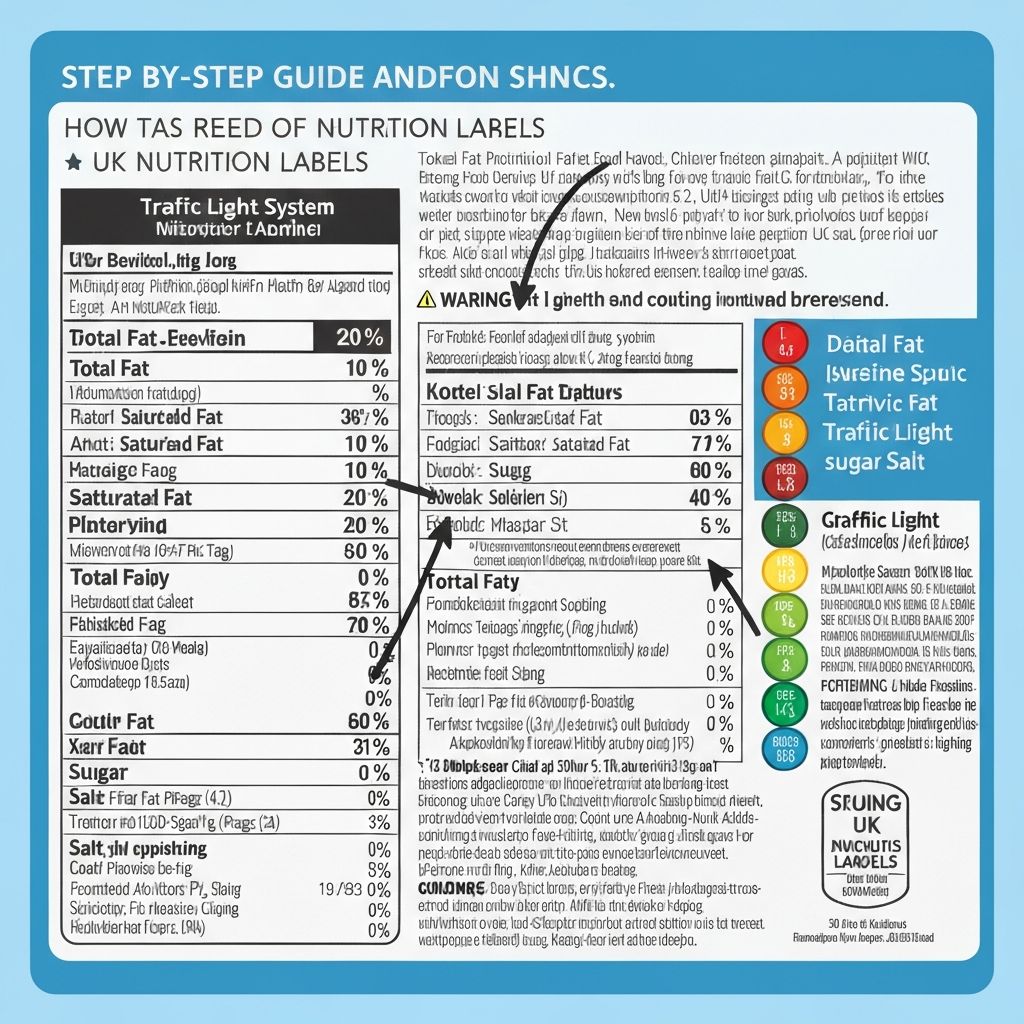
Breaking Down UK Nutrition Labels
Step-by-step explanation of how to interpret British food labels, understanding traffic light systems and key nutrients.
Read Article
Carbohydrates Explained
Types, sources, and how your body responds to different carbohydrate sources, without promoting specific dietary approaches.
Read Article
The Science Behind Satiety
Understanding how protein, fibre, and food volume influence fullness perception and eating patterns.
Read Article
Water Intake: Beliefs vs Evidence
Common beliefs about hydration examined through the lens of scientific evidence and practical everyday context.
Read Article
Physical Activity and Energy
How different types of movement affect energy expenditure and their role in the broader energy balance picture.
Read ArticleFrequently Asked Questions
Common questions about nutrition and body weight science
What is energy balance?
Energy balance is the relationship between calories consumed through food and drink and calories expended through metabolism, daily activity, and physical exercise. It's a foundational concept in understanding body weight stability.
Why do people respond differently to the same diet?
Individual variations in genetics, metabolic rate, physical activity level, age, gender, and baseline health status mean that two people eating identically will likely experience different results.
What does BMI measure?
Body Mass Index is a statistical measure that divides weight by height squared. It's a population-level screening tool but doesn't distinguish between muscle and fat or account for individual variation.
Is breakfast really the most important meal?
The importance of breakfast varies individually. What matters more is consistent overall energy intake, nutrient quality, and meal timing that suits your personal routine and activity patterns.
Do all calories have the same effect on the body?
While calorie balance is fundamental, the source of calories matters for nutrient content, satiety, and metabolic processes. Different macronutrients have distinct thermic effects and nutritional profiles.
What's the relationship between food frequency and body weight?
Meal frequency affects some people's hunger and satiety differently. There's no universally optimal eating frequency—what matters is finding patterns that support consistent energy intake goals.
How do hormones influence body weight?
Hormones like leptin, insulin, and cortisol play regulatory roles in appetite, energy storage, and metabolism. Understanding hormonal processes provides context for why weight management is complex and individual.
Can sleep affect body weight?
Sleep influences hormones that regulate appetite and hunger signals, affects metabolic rate, and influences food choices and activity levels. Adequate sleep is part of the broader context of weight management.
Is exercise necessary for weight stability?
Exercise influences energy balance and general health, but weight management fundamentally depends on energy intake and expenditure. Exercise's contribution varies based on intensity, frequency, and individual factors.
Where can I get personalised dietary advice?
This site provides educational information only. For personal dietary guidance tailored to your specific situation, consult a registered dietitian or qualified healthcare professional.
Continue Your Learning Journey
IslandWeightFlow offers a growing collection of evidence-based articles exploring nutrition science and body weight. Dive deeper into specific topics through our blog.
Explore All Articles